
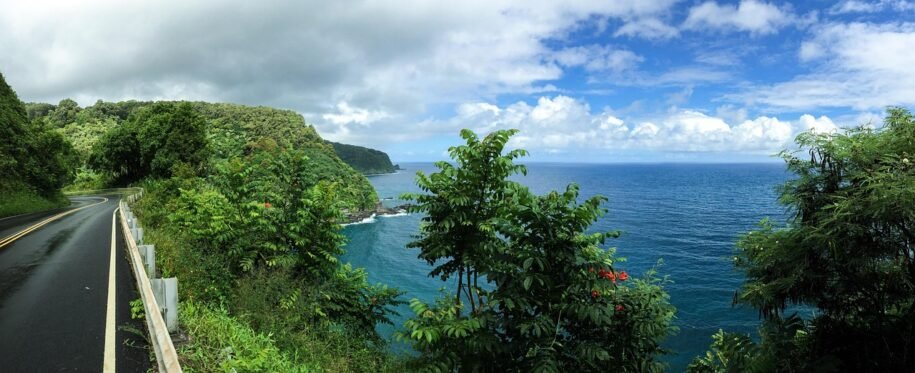
If the Road to Hāna is already on your Maui wish list, you are in good company. This is the day many visitors remember most: emerald cliffs, roadside waterfalls, one-lane bridges, black lava coastline, and a part of Maui that moves at a far gentler pace.
The secret to loving it is choosing a few meaningful stops, leaving room for weather and delays, and treating East Maui as a living community. From Kāʻanapali or Honua Kai, give this adventure a whole day. Here is how I would plan a first visit.
Jump to: Route & map · Sample day · The stops · My Kaihalulu highlight · Pīpīwai & Kīpahulu · Family planning
Make the Drive the Main Event
The highway follows Maui’s northeast coast from Pāʻia toward Hāna, winding through rainforest and coastal scenery. Go Hawaii estimates two to four hours from Kahului to Hāna; your West Maui approach, meals, walks, and parking stops add to that. A map’s driving estimate is not your day’s itinerary.
Your route at a glance
Honua Kai → Pāʻia → Keʻanae Peninsula → Puaʻa Kaʻa → Waiʻānapanapa → Hāna
Optional extension: Hāna → Kīpahulu / Pīpīwai Trail, about 12 more miles each way.
Return through Hāna and Pāʻia. From West Maui, use the main route south through the Lahaina bypass / Honoapiʻilani Highway toward Kahului; do not follow a shortcut around West Maui’s narrow northern coast.
Open the main route in Google Maps. This overview marks the main approach and park; use the individual stop links below for detours. Confirm the displayed route before driving.
Before You Go: Reserve Waiʻānapanapa
Non-resident visitors need advance entry and, when driving, parking reservations for Waiʻānapanapa State Park. Book up to 30 days ahead, choosing the correct people and vehicle options. Check the current fees and available slots at checkout; a national park pass does not replace this state park booking.
Arrive within the first 30 minutes of your booked period and leave by its end. A late arrival may be refused without a refund. Save your confirmation offline. Build the day around the start of the slot, rather than treating the whole period as an arrival window. Read the reservation rules.
Check access before setting out
September 2026 planning note: DLNR’s improvement project changes parking and routes beach access through the park’s western end. Road work is scheduled into early 2027 and may cause temporary closures. Follow the current signs and allow extra access time; check the official project notice and park updates before your visit.
Also check Maui County road closures, National Weather Service Hawaiʻi forecasts and alerts, and park notices. Heavy rain, fallen trees, and high surf can change the plan.
A Realistic Road to Hāna Day from West Maui
This example assumes a 12:30 p.m. Waiʻānapanapa reservation start, if available, and returning from Hāna without the long hike. Times are generous planning estimates, not guaranteed arrivals. Adjust for your actual ticket, daylight, road conditions, and walking pace.
- 6:00–6:30 a.m.: Leave Honua Kai with fuel, water, and breakfast already handled. Allow roughly 75–90 minutes to reach Pāʻia, longer with traffic.
- Morning: Keep Pāʻia brief, spend about 30 minutes at Keʻanae, and make a short Puaʻa Kaʻa stop if parking and conditions cooperate. Leave the remaining time for driving and delays.
- Late morning: Check progress toward the park. If comfortably ahead, have an early lunch at Hāna Farms before the park turnoff; otherwise use your packed snacks. Drop optional stops if your arrival buffer is shrinking.
- 12:30 p.m.: Check in at Waiʻānapanapa promptly. Allow 60–90 minutes for the beach and an open coastal path, staying within your ticket period.
- About 2:00 p.m.: Visit Hāna for lunch if needed and a short bay/restroom break. Aim to start back around 2:30–3:00 p.m., earlier if weather or daylight calls for it.
- Return: Budget roughly 3½–4½ hours to Honua Kai, plus any stops or delays. Expect an evening arrival and keep dinner plans flexible. This is roughly a 12–14-hour outing; it does not guarantee that every part of the return drive will be in daylight.
If your reservation starts at a different time, rebuild the schedule around it. An early slot means driving more directly to the park; a late slot means a later return.
The Stops That Earn Your Time
These are choices, not a checklist. The suggested visit times exclude travel between stops and can grow with queues, rain, or children’s breaks.
1. Pāʻia: start prepared, not rushed
Allow: 15–30 minutes for supplies; longer for a seated breakfast. Map: Pāʻia.
Pāʻia’s small storefronts and cafés make a cheerful start, but you can also pass straight through if you ate at the condo. It is better to begin the winding stretch comfortable and prepared than spend your best morning hour waiting for breakfast.
Coffee, food, and a bathroom plan
Pāʻia Bay Coffee & Bar currently opens at 7:30 a.m.; its breakfast menu lists service from 8:00–11:00 a.m. That makes it an option if the timing fits, not a reason to wait if you arrive earlier. Use legal town parking, keep driveways clear, and ask about customer restroom access when buying food. For a public restroom option just beyond town, Hoʻokipa Beach Park lists restroom facilities and a 7:00 a.m. opening.
Skip the stop if: everyone is already fed and comfortable, or a café queue would eat into your park arrival buffer.
2. Keʻanae Peninsula: lava coast and a local food stop
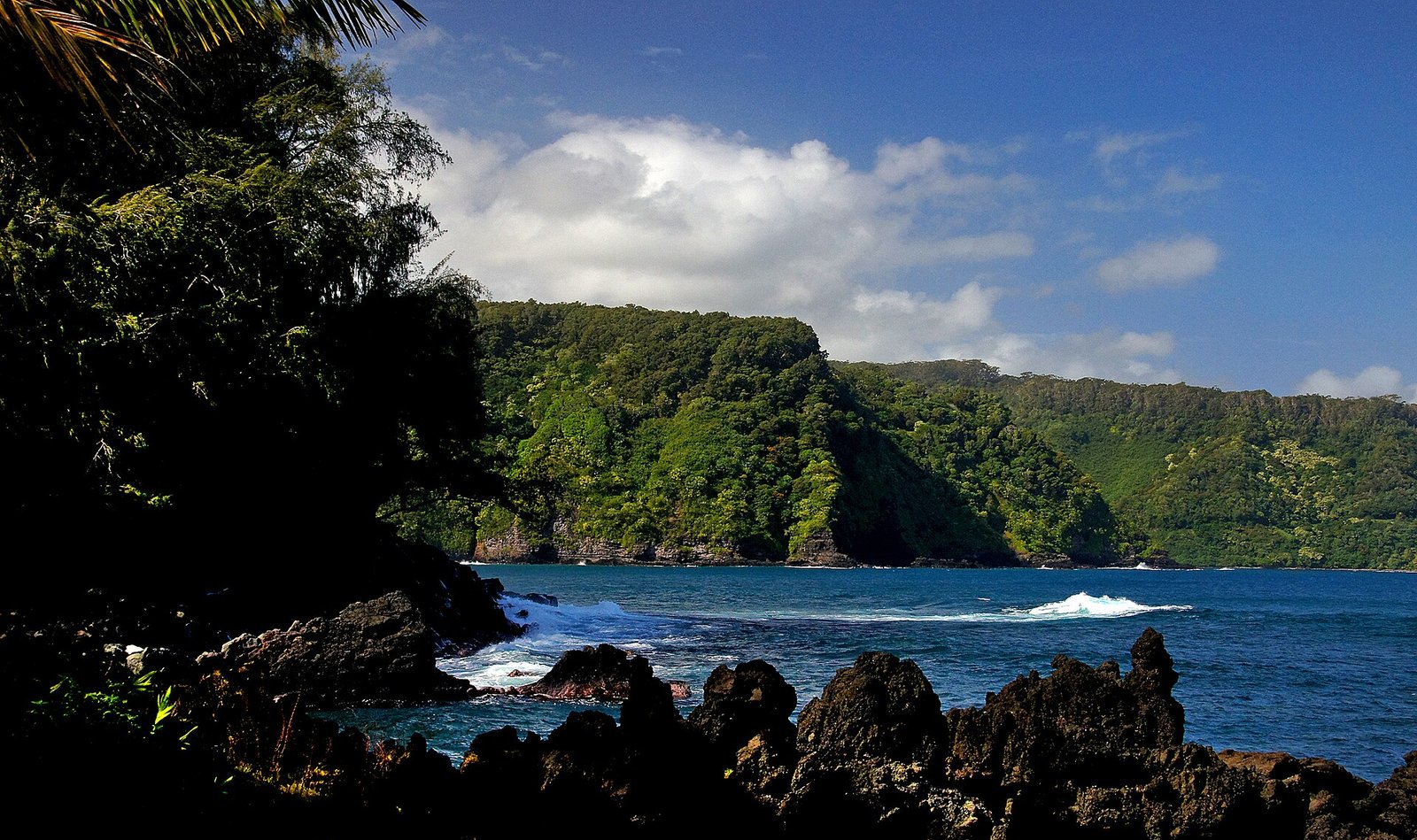
Allow: 20–40 minutes, plus the detour from the highway. Map: Keʻanae Peninsula.
Turn onto Keʻanae Road after mile marker 16, as described by Aunty Sandy’s. The road takes you into a lived-in coastal community where green fields meet dark lava and white surf. Enjoy the scenery from public areas; fields, homes, and driveways are not visitor access routes.
What to do when you arrive
Park only where signs permit and your car is completely clear of the road. Spend a few minutes taking in the coast from well back from the waves, then consider banana bread at Aunty Sandy’s, 210 Keʻanae Road. Its official site does not provide a clear daily hours schedule; check directly at 808-248-7448 if the food stop matters to your plan. Bring a snack backup rather than counting on a particular stand being open.
Facilities and access: This is a short scenic detour, not a developed beach outing. Use Puaʻa Kaʻa as your next planned public restroom stop. The lava shoreline is uneven and exposed to powerful waves; enjoy it from a safe distance rather than climbing toward the water.
Skip the detour if: there is no legal space, surf or weather makes the coast uncomfortable, or you are running behind.
3. Puaʻa Kaʻa State Wayside: a manageable waterfall break
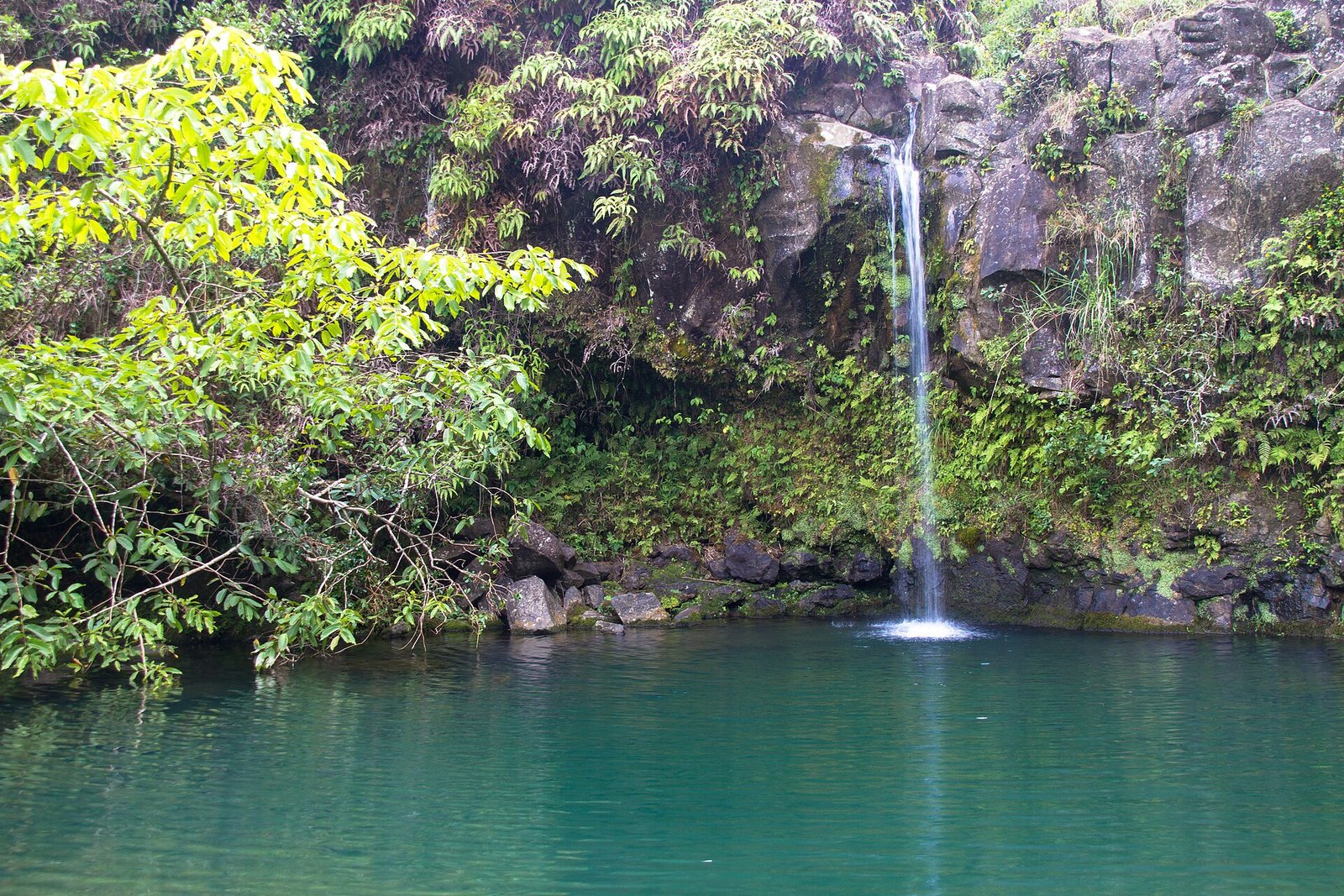
Allow: 15–30 minutes. Map: Puaʻa Kaʻa State Wayside.
This gives first-time visitors a specific waterfall stop instead of having to improvise beside a narrow bridge. The state park page describes a small rainforest picnic area with scenic waterfalls, open during daylight with no entrance fee.
Keep this a short walk
Use the designated parking area, visit the restrooms, and follow the open visitor path for a waterfall view. Watch traffic when crossing the road, wear shoes with grip, and expect wet or uneven footing. A small waterfall framed by dense greenery can be a satisfying stop without turning into a swimming excursion.
Facilities: Restrooms and picnic facilities make this a useful break between Keʻanae and the Hāna area. Check park notices for closures; do not assume another parked car proves access is permitted.
Skip the waterfall walk if: parking is full, the path is closed, or rain makes footing or stream conditions poor. Never substitute a roadside shoulder or an unofficial upstream route.
4. Waiʻānapanapa State Park: make room for the black-sand coast
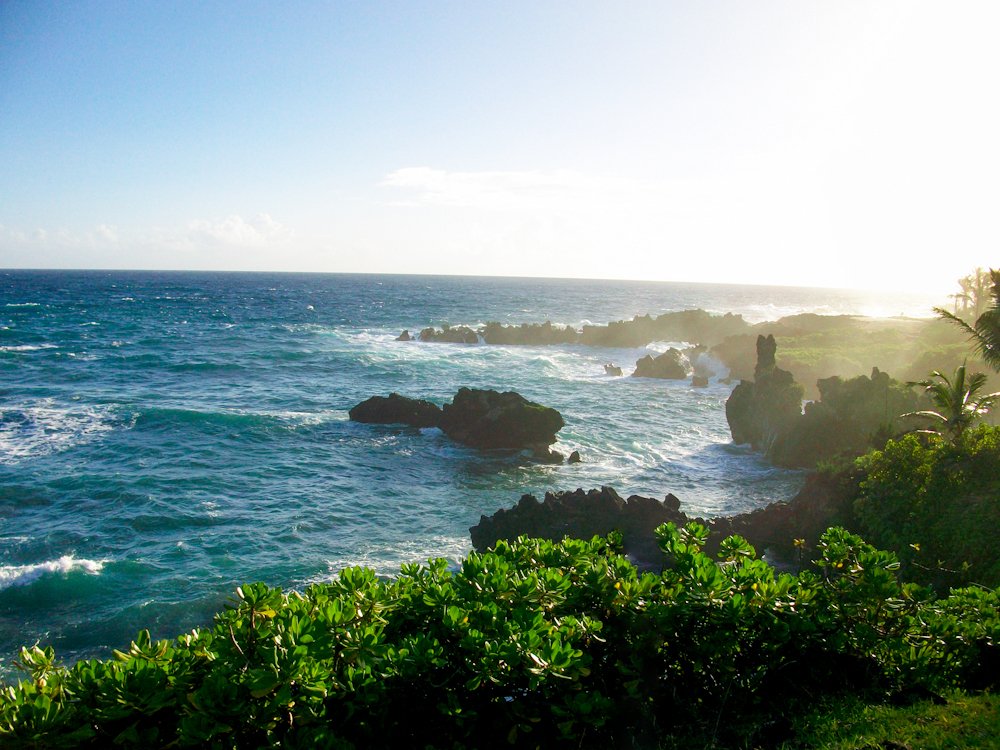
Allow: 60–90 minutes within your reserved period. Map: Waiʻānapanapa State Park.
Pā‘iloa’s dark sand, bright ocean, and lava formations create one of the day’s strongest contrasts. Begin by taking in the bay from above, then use the signed beach access if it suits your group. The shore includes coarse sand and pebbles; shoes are useful even if you mostly plan to look and photograph.
Choose your pace
For a shorter visit, focus on the beach viewpoint, a brief beach visit, and the restroom break. With more time, add a portion of an open coastal trail and turn back with plenty of time to reach your car. Let the posted routes guide you to viewpoints of lava formations and sea arches; caves, blowholes, and wave-washed rocks are not invitations to approach the water.
Parking, facilities, and walking: Follow the construction-era parking directions described above. Expect changes of level, potentially steps, and uneven coastal terrain. Do not assume beach access works for a stroller or wheelchair; check current access with the park if mobility is a concern. Restroom and picnic facilities are part of the park, but construction can change their availability and your walking route.
Skip or shorten the beach portion if: surf, footing, or access does not suit your group. A scenic visit from an open viewpoint can still be rewarding. Plan this as a coastal sightseeing stop, not a guaranteed swim.
5. Hāna town: lunch, the bay, and your turnaround decision
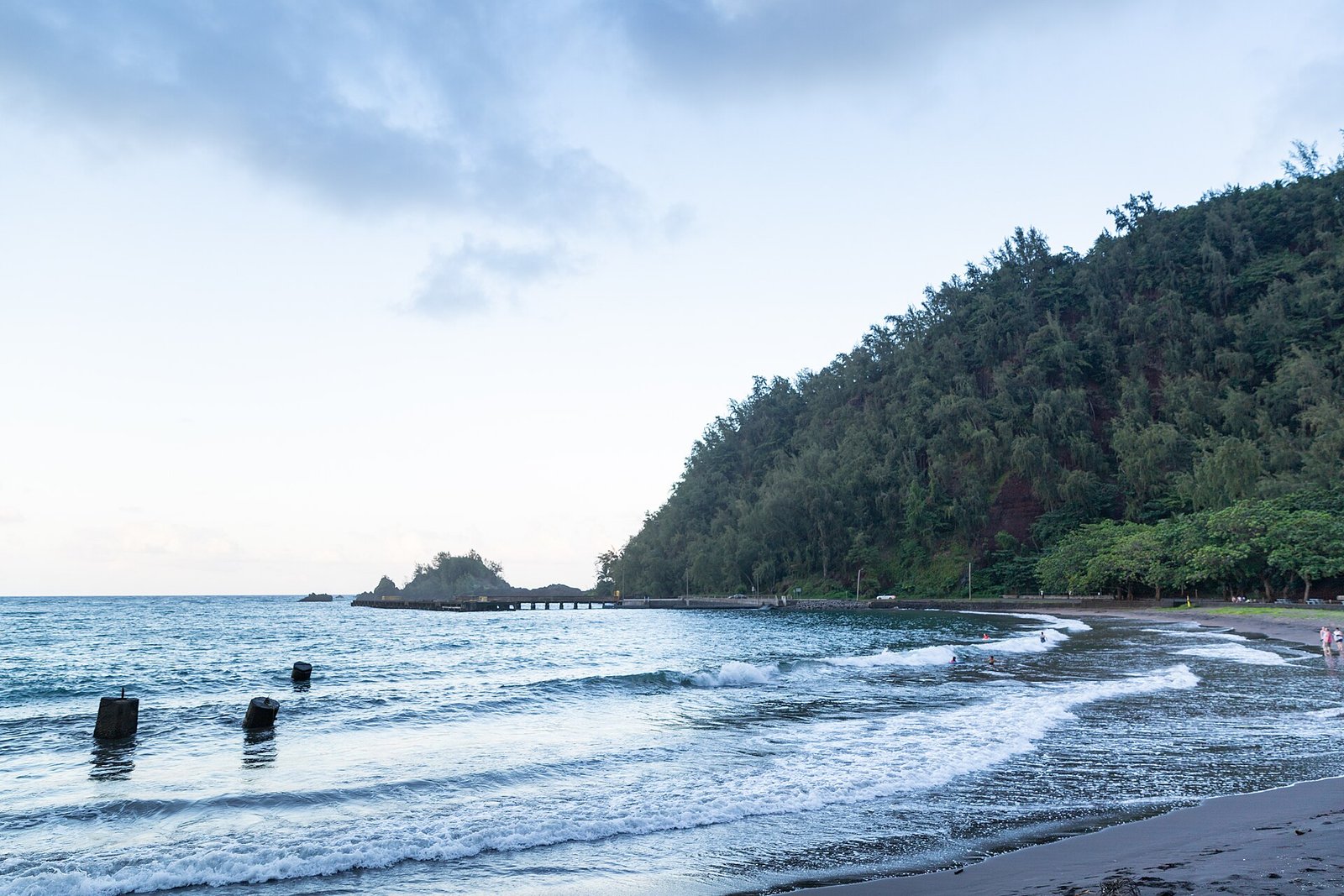
Allow: 45–60 minutes; more for a leisurely meal. Map: Hāna Bay Beach Park.
Hāna is a community to spend time in, rather than a finish line. Head to Hāna Beach Park at 150 Keawa Place for bay views, picnic tables, and a public restroom. Use permitted parking along the access road and leave room for residents and community activities. The county lists accessible restrooms and pavilion facilities; beach access is a separate consideration.
Two concrete lunch options
Hāna Ranch Restaurant lists lunch and dinner daily from 11:00 a.m.–9:00 p.m. For an alternative before reaching town—or an early lunch before the park—The Bamboo Hale at Hāna Farms, 2910 Hāna Highway, currently lists 10:30 a.m.–4:30 p.m. Saturday–Thursday and until 8:00 p.m. Friday. Check the current menu: pizza is listed for Fridays only. Bring packed food as a fallback if queues or opening changes disrupt the day.
Before continuing: Check the time, the weather, and everyone’s energy. If lunch is running late, make Hāna your turnaround point. You can skip extra sightseeing here, but do not skip a needed meal or bathroom break to squeeze in a hike.
My Personal Highlight: Kaihalulu
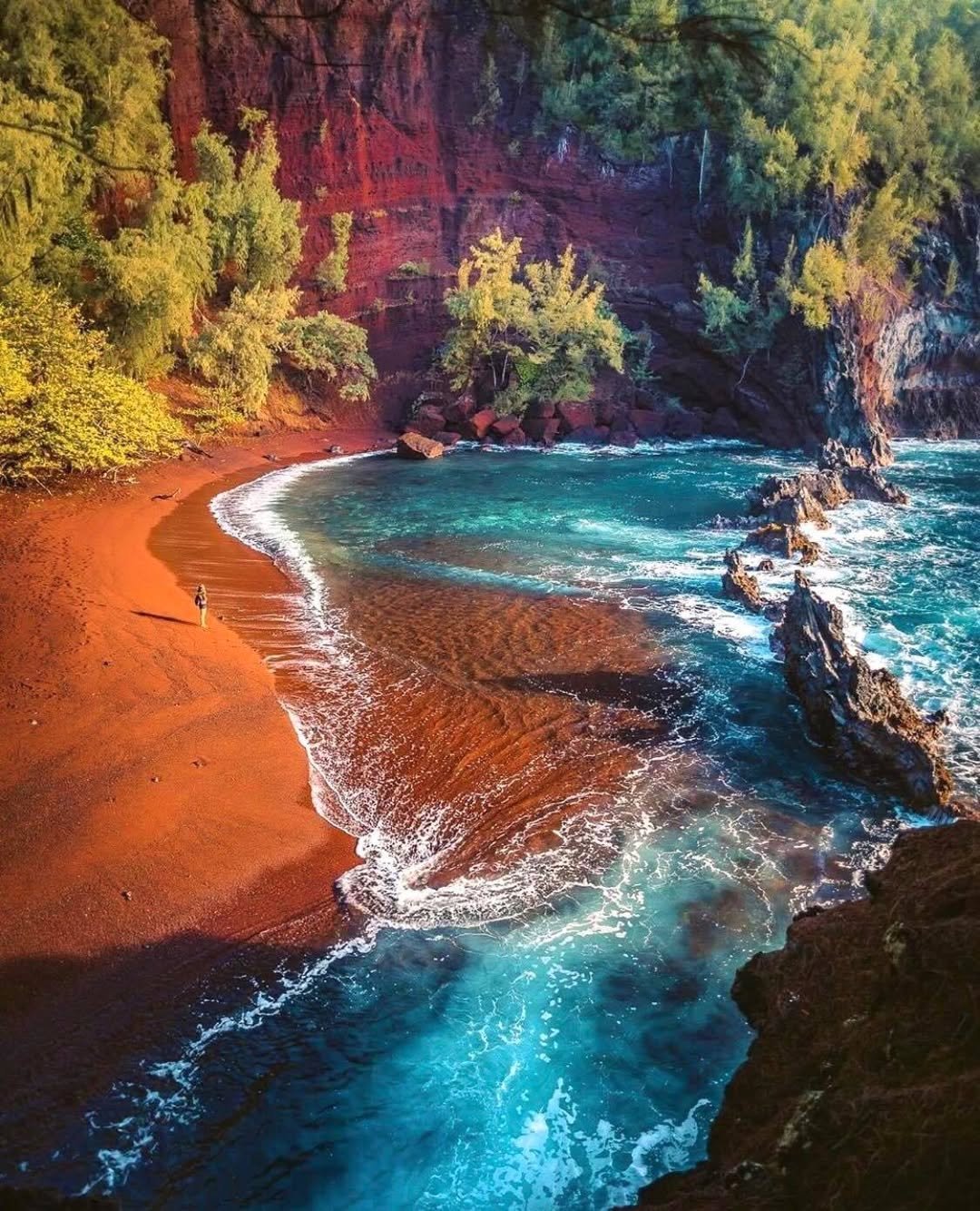
Kaihalulu was the highlight of my own Road to Hāna trip. Often called Red Sand Beach, this cove brings together rust-red sand and cliffs, turquoise water, and dark lava rock. The sweeping shoreline and dramatic colors give it a very different character from the black-sand coast at Waiʻānapanapa.
I want this guide to include the place that stood out most to me, alongside the practical stops that make a first visit easier to plan. Kaihalulu deserves that personal mention, even though visiting it requires a different level of judgment about access and terrain.
Know the access concerns before you decide
The informal approach has narrow, exposed sections with steep drop-offs and loose or slippery footing. Access also involves private-property concerns; do not assume that a route described online grants permission to cross land. Check current local guidance, respect signs and landowner restrictions, and do not enter if lawful access is unclear.
This is not an easy beach walk or a suitable choice for strollers, young children, limited mobility, or anyone uncomfortable with exposed paths. The cove’s appearance does not establish that the water is safe for swimming. Rain, surf, and trail conditions can make a visit inappropriate regardless of hiking experience.
How it fits this guide: Treat Kaihalulu as a separate consideration while in Hāna, rather than an extra stop to squeeze into the sample schedule. My experience is a personal highlight, not a guarantee of current access or safety. Read more about the beach and its access concerns.
Should You Continue to Kīpahulu?
Kīpahulu is the coastal district of Haleakalā National Park, about 12 miles beyond Hāna. Allow roughly 45–60 minutes each way as a planning buffer on this winding section, plus your park visit. It is not directly connected by road to the summit district.
Choose a hike that fits the day
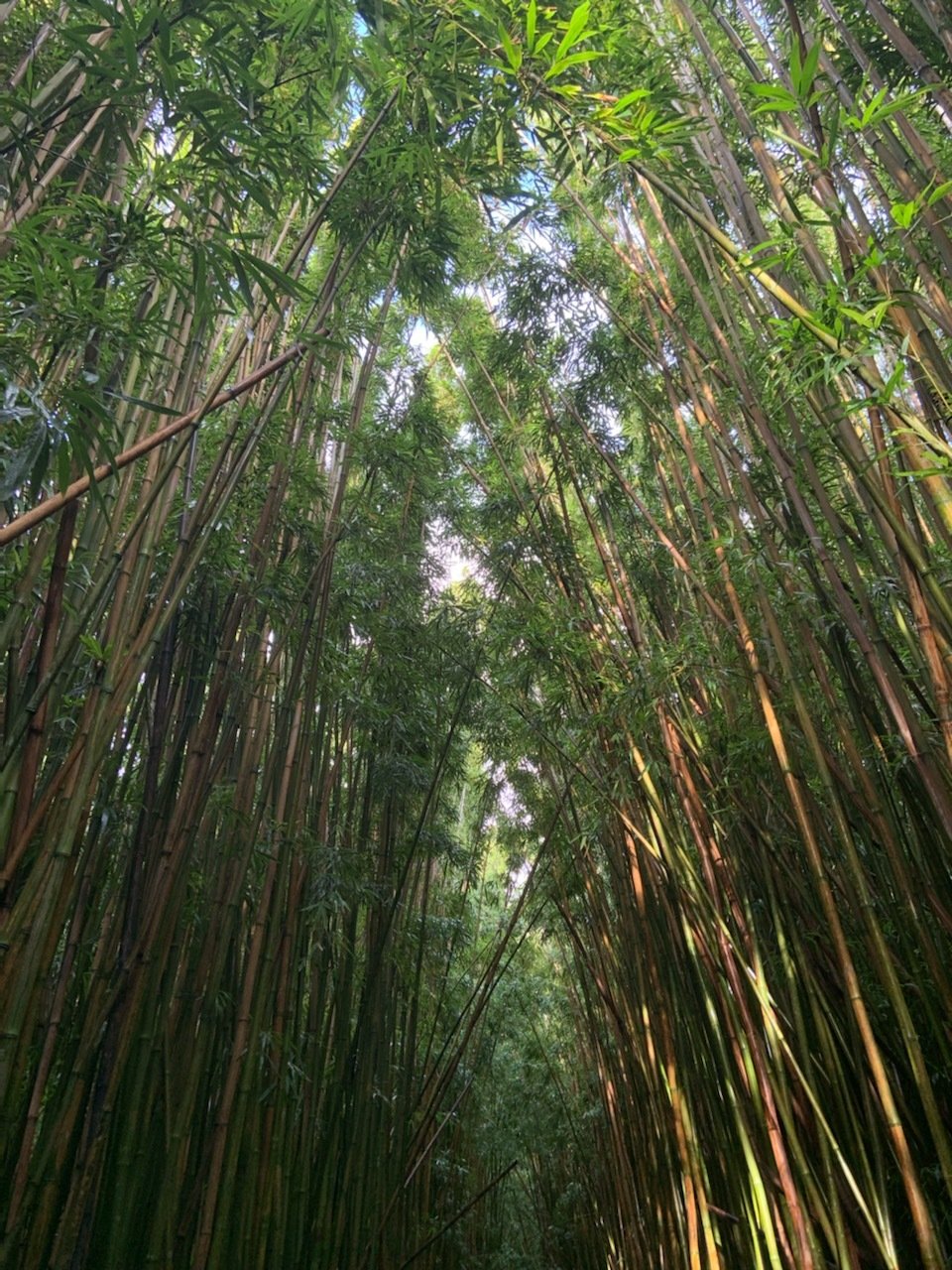
- Pīpīwai Trail: Four miles round trip, about 800 feet of climbing, with the bamboo forest around one mile in and the Waimoku Falls viewing area at two miles. Reserve roughly 3–4 hours for walking and pauses. Expect humidity, mud, roots, steps, and slippery surfaces; this is not a stroller route.
- Makahiku overlook: About half a mile each way along Pīpīwai. Allow about an hour for this shorter waterfall walk; it still involves climbing and uneven footing, and does not reach the bamboo forest.
- Kūloa Point: A half-mile loop with about 80 feet of elevation change. Allow about 20–30 minutes for coastal views and a view toward ʻOheʻo. NPS says the pools are closed to entry; stay on the open trail.
Use the NPS trail guide and current alerts. Stop at the signed falls viewpoint, obey barriers, and stay out of streams.
Fees and facilities
The standard private-vehicle entrance fee is currently $30, valid for three days in both park districts; an eligible national park pass may cover entry. Bring a payment card. The summit sunrise reservation is a separate arrangement, not a Pīpīwai booking. The visitor center normally operates 9:00 a.m.–5:00 p.m., subject to staffing and closures, with restrooms nearby. Bring your food and water.
Three Good Ways to Do the Day
The classic first visit
Use the sample day above: Keʻanae, a short Puaʻa Kaʻa stop, reserved Waiʻānapanapa time, and Hāna. This gives you varied scenery with space for lunch and the return journey.
The hiker’s version
Make Pīpīwai your main destination. Leave early, keep the outward drive focused, and plan to reach the trail in the morning. With roughly 3–4 hours on foot and the extra driving beyond Hāna, I would leave Waiʻānapanapa for another day or an overnight East Maui visit. If you choose both, calculate the hike, meals, drives, and reservation start before committing; do not append Pīpīwai to the afternoon of the classic itinerary.
The sit-back-and-enjoy-it version
A guided tour can suit anyone who would rather look out the window than manage winding roads. Before booking, check West Maui pickup, total duration, meal and entry inclusions, walking demands, and the actual stops. Do not assume every tour visits Waiʻānapanapa or includes Pīpīwai.
Small Preparations That Make the Day Easier
- Fuel and food: Fill up the evening before. Pack water, breakfast or snacks, a lunch backup, and a small rubbish bag. Bring a card and some cash for small businesses.
- Motion sickness: Plan breaks and avoid reading or watching screens on the winding sections. If someone is very sensitive, choose a shorter day or reconsider the drive rather than making Hāna a fixed goal.
- Bathrooms: Use a stop before the winding stretch, then plan around Puaʻa Kaʻa, Waiʻānapanapa during your reservation, and Hāna Beach Park. Kīpahulu has restrooms if you continue. Facilities can close, so carry tissues and hand sanitizer.
- Children and mobility: Pack spare clothes and keep food and water accessible. Short stops can suit children better than a long hike. Coastal paths and waterfall walks may have steps, roots, or slick rocks; choose viewpoints based on your group’s abilities.
- What to wear: Shoes with grip, a light rain layer, sun protection, and insect repellent. Bring a towel and a waterproof bag for phones or wet items.
- Offline essentials: Download maps and any audio guide before leaving; save tickets, business details, and return directions. Pack a charging cable or power bank. Let a passenger handle navigation.
- Return route: Plan to retrace the north-coast route through Hāna and Pāʻia. Check your rental agreement and current closures; do not make the rougher road beyond Kīpahulu your default loop.
Drive It Like a Guest
East Maui is home to families, farms, and people going about daily life. Use designated parking, never block driveways or bridges, and let faster traffic pass when you reach a safe pullout. At one-lane bridges, slow down, follow signs, and yield appropriately. Keep noise down, pack out your trash, and be patient at small businesses.
Do not let a photo list override common sense
Respect signs, fences, and closures throughout the route. A photograph is never a reason to take an unofficial path, approach a wave-washed ledge, or jump into a pool.
If weather worsens or the group is tired, shorten the day. Arriving back at Honua Kai with a few memorable experiences is a better goal than completing a list.
Quick Links to Check Before You Go
- Waiʻānapanapa reservations and park notices
- Puaʻa Kaʻa State Wayside
- Haleakalā National Park conditions, trails, and fees
- Maui County road closures and weather alerts
Planning details checked September 10, 2026. Hours, fees, reservations, access, and weather can change; use the official links before your trip. Suggested visit and drive times are planning allowances.
Featured photograph: Waiʻānapanapa black-sand beach, dronepicr · CC BY 2.0. Photographs depict scenery, not current access or swimming conditions. Images resized for web display.
Leave a Reply